
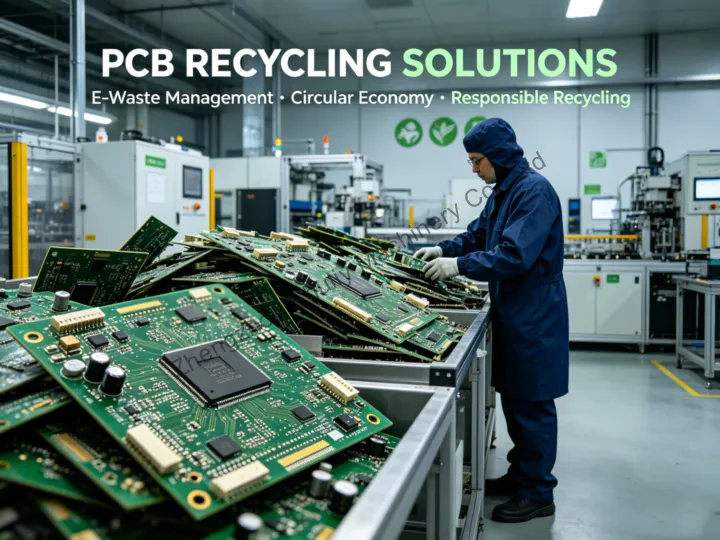
Starting a PCB recycling business is one of the most profitable ventures in the e-waste industry. With global electronic waste reaching 62 million tons annually and growing at 3-4% per year, the demand for circuit board recycling has never been stronger. This comprehensive guide walks you through every step of launching a successful PCB recycling business in 2026.
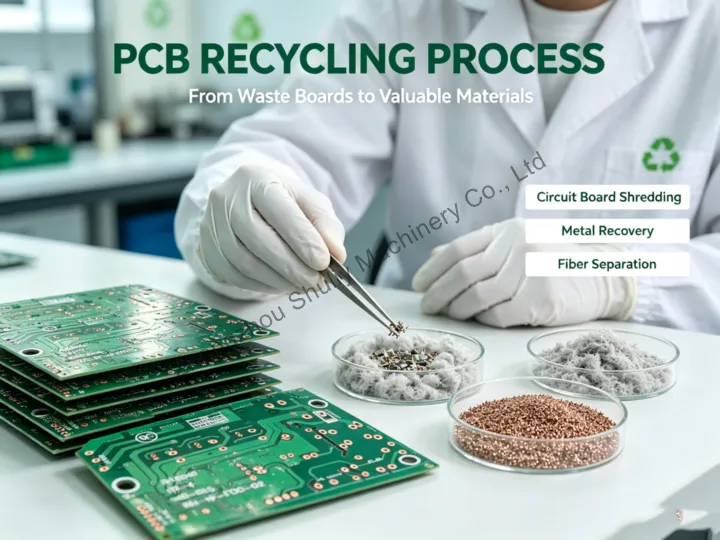
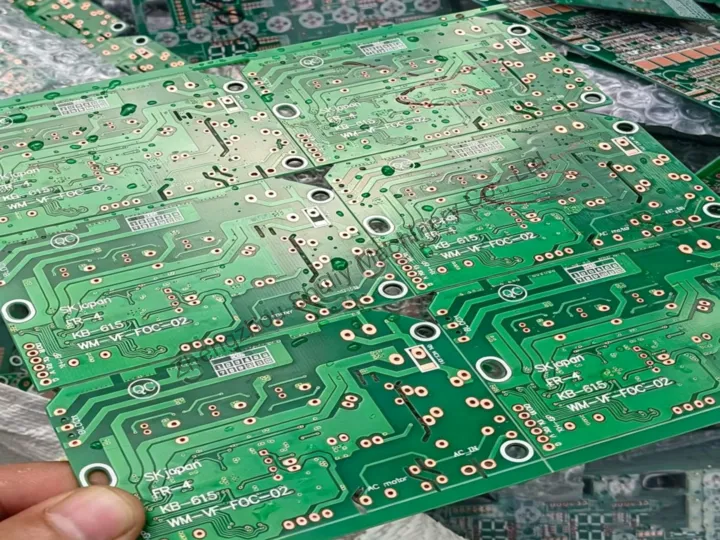
A single ton of circuit boards contains 15-30% copper, 100-300g of gold, 200-500g of silver, and 50-100g of palladium. When you factor in rising metal prices and tightening environmental regulations, the PCB recycling business offers attractive margins for new entrepreneurs. This article covers market analysis, startup costs, equipment selection, licensing, and proven strategies to help you succeed in the e-waste recycling industry.
Why Start a PCB Recycling Business in 2026?
The e-waste recycling industry is experiencing unprecedented growth. Here’s why 2026 is an ideal time to enter the market:
- Rising Metal Prices: Copper, gold, and silver prices continue to climb, making recycling increasingly profitable.
- Stricter Environmental Laws: Governments worldwide are banning PCB landfill disposal, creating regulatory demand for recycling services.
- Growing E-Waste Volume: Consumer electronics turnover accelerates, generating a steady feedstock supply.
- Proven Technology: Modern PCB recycling machines deliver 99%+ metal purity with 2-3 month payback periods.
- ESG Investment Trends: Green businesses attract funding and government incentives.
Market Analysis & Opportunity Assessment
Before investing, conduct thorough market research in your target region.
Identify Your Feedstock Sources
Reliable feedstock is the lifeblood of your PCB recycling business. Common sources include:
- E-waste collection centers and scrap yards
- Electronics manufacturers’ production waste
- IT asset disposition (ITAD) companies
- Telecom equipment decommissioning projects
- Municipal e-waste collection programs
Analyze Local Metal Markets
Research local prices for copper, gold, silver, and palladium. Connect with metal refineries and smelters in your region to understand buying terms and pricing structures.
Startup Costs Breakdown
A small-scale PCB recycling business can start for as little as $50,000, while industrial operations require $300,000+ investments.
| Cost Category | Small Scale (100-300kg/h) | Industrial Scale (500-1500kg/h) |
|---|---|---|
| Recycling Equipment | $50,000 – $80,000 | $200,000 – $300,000 |
| Facility & Setup | $10,000 – $30,000 | $50,000 – $100,000 |
| Licensing & Permits | $2,000 – $5,000 | $10,000 – $20,000 |
| Working Capital (3 months) | $15,000 – $30,000 | $80,000 – $150,000 |
| Marketing & Transport | $5,000 – $10,000 | $20,000 – $40,000 |
| Total Investment | $82,000 – $155,000 | $360,000 – $610,000 |
Essential Equipment for PCB Recycling
Your equipment selection defines your operational capacity. A complete PCB recycling operation requires the following core machines:
1. PCB Dismantling Machine
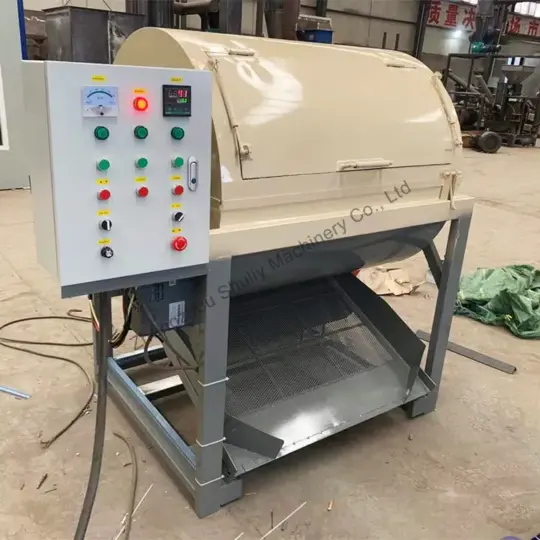
The PCB dismantling machine is your first investment. It uses 180-200°C electric heating to remove components intact, processing 300-500kg/h. This pre-processing step is critical because intact components command higher prices than shredded mixtures.
2. PCB Recycling Line
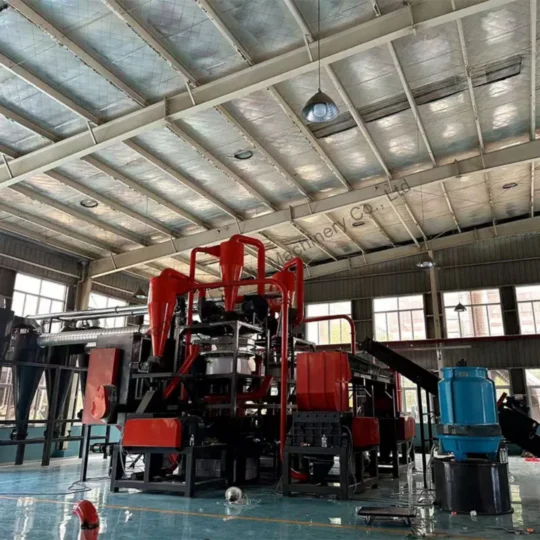
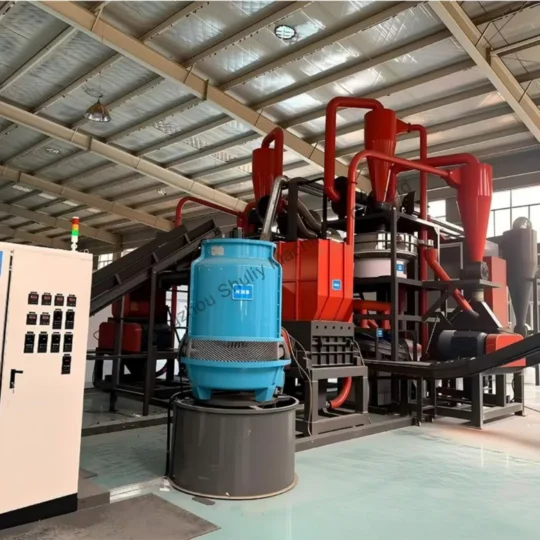
The complete PCB recycling line integrates shredding, crushing, screening, and separation. Look for systems with 99%+ metal purity, 99.5% dust collection, and PLC automated control.
3. Supporting Equipment
- Storage Bins: Organize sorted metals, resin, and plastic
Licensing & Compliance Requirements
Regulatory compliance is non-negotiable in the e-waste recycling industry. Requirements vary by region, but common permits include:
- Business License: General business operation permit
- Environmental Permit: Authorizes waste handling and processing
- Hazardous Waste License: Required for processing e-waste in most jurisdictions
- Air Quality Permit: For dust emissions compliance
- Worker Safety Certification: OSHA or equivalent workplace safety standards
- Import/Export Permits: If trading materials internationally
Consult with local environmental agencies and legal counsel to ensure full compliance before starting operations.
Revenue Streams & Profitability
A well-run PCB recycling business generates revenue from multiple sources:
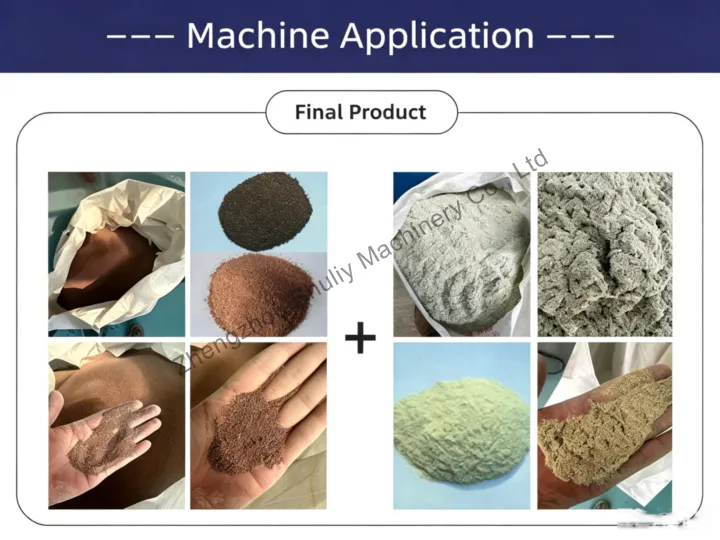
- Copper Recovery: 15-30% of input weight at $5-8/kg
- Precious Metals: Gold, silver, palladium concentrate in metal fraction
- Component Resale: Intact ICs, capacitors, connectors from dismantling
- Resin & Plastic: Sold to composite material manufacturers
- Recycling Service Fees: Charge for processing others’ e-waste
Profit Margin Example
A 500kg/h line processing 1,200 tons annually typically generates $1.5M+ in revenue with 40-50% operating costs, yielding $750,000+ in annual net profit. Most operations achieve payback within 2-3 months.
Step-by-Step Setup Process
Step 1: Business Planning (1-2 months)
- Conduct market research and feasibility study
- Create detailed business plan with financial projections
- Secure funding (savings, loans, or investors)
Step 2: Licensing (2-3 months)
- Apply for all required permits and licenses
- Complete environmental impact assessments
- Register with relevant government agencies
Step 3: Facility Preparation (1-2 months)
- Secure industrial facility with proper ventilation
- Install electrical infrastructure (3-phase power, 380-480V)
- Set up dust collection and waste management systems
Step 4: Equipment Installation (1 month)
- Order and receive PCB recycling equipment
- Professional installation and commissioning
- Staff training and safety protocols
Step 5: Operations Launch
- Test runs with sample materials
- Establish feedstock supply contracts
- Begin marketing to metal buyers and refiners
Proven Strategies for Success
- Build Strong Supply Networks
- Partner with e-waste collectors, ITAD companies, and electronics manufacturers. Long-term supply contracts ensure stable feedstock and better pricing.
- Focus on Quality Output
- 99%+ purity metal commands premium prices. Invest in quality equipment and rigorous process control to maximize revenue per ton processed.
- Embrace Compliance
- Environmental compliance isn’t just legal protection — it’s a marketing advantage. Certified operations attract premium customers and government contracts.
- Diversify Revenue Streams
- Don’t rely solely on metal sales. Add dismantling services, component resale, and recycling consulting to maximize revenue per ton of e-waste.
Common Mistakes to Avoid
- Underestimating Compliance Costs: Budget at least $20,000 for permits and ongoing compliance
- Choosing Cheap Equipment: Low-quality machines cause downtime and produce inferior output
- Ignoring Safety Training: E-waste contains hazardous materials requiring proper handling
- No Backup Buyers: Maintain relationships with multiple metal refiners to avoid bottlenecks
- Overlooking Market Volatility: Metal prices fluctuate; build cash reserves for downturns
FAQs of PCB Recycling
How much does it cost to start a PCB recycling business?
Startup costs range from $82,000 for a small-scale operation (100-300kg/h) to $610,000 for industrial-scale (500-1500kg/h). The largest cost is recycling equipment, followed by facility setup and working capital.
How profitable is PCB recycling?
PCB recycling is highly profitable, with most operations achieving 2-3 month payback periods. A 500kg/h line processing 1,200 tons annually can generate $750,000+ in net profit. Margins depend on metal prices, feedstock quality, and operating efficiency.
What licenses do I need to start PCB recycling?
Common requirements include a business license, environmental permit, hazardous waste license, air quality permit, and worker safety certification. Requirements vary by region, so consult local environmental agencies.
What is the best equipment for starting PCB recycling?
Start with a PCB dismantling machine for component removal and a complete PCB recycling line for metal separation. Look for systems with 99%+ metal purity, PLC control, and reliable after-sales support.
Where can I find PCB recycling feedstock?
Feedstock sources include e-waste collection centers, scrap yards, electronics manufacturers’ production waste, ITAD companies, telecom equipment decommissioning, and municipal e-waste programs.
Start Your PCB Recycling Business Today
The PCB recycling business offers exceptional profit potential in a growing market. With proper planning, quality equipment, and regulatory compliance, you can build a successful e-waste recycling operation. Shuliy provides complete PCB recycling lines and dismantling machines backed by decades of manufacturing experience.
Contact our team today for equipment consultation, business plan templates, and customized solutions for your PCB recycling business.